

In the ever-evolving landscape of healthcare, Testosterone Replacement Therapy (TRT) remains a critical and sought-after treatment option in 2024. As we delve into the significance of TRT, its advantages, and the specific medications offered by Prometheuz HRT, we aim to provide you with valuable insights into this transformative therapy.
What is Testosterone Replacement Therapy?
Testosterone Replacement Therapy, often referred to as TRT is a medical intervention designed to address testosterone deficiency in individuals. Testosterone, a vital hormone, plays a pivotal role in various physiological functions, including muscle growth, bone density, mood regulation, and sexual health. When the body’s natural testosterone production decreases, TRT becomes a viable solution to restore optimal hormone levels.
Testosterone Replacement Therapy Benefits
TRT offers a plethora of benefits, both physical and psychological, to individuals with low testosterone levels. Some notable advantages of TRT include:
1. Increased Energy
TRT can boost energy levels, helping individuals feel more vibrant and active in their daily lives.
2. Improved Mood
Many individuals experience enhanced mood and reduced irritability after undergoing TRT, which can have a positive impact on overall well-being.
3. Enhanced Muscle Mass
TRT can contribute to the development of lean muscle mass, aiding in physical strength and performance.
4. Heightened Libido
One of the most recognized benefits of TRT is the potential improvement in sexual desire and function.
5. Enhanced Quality of Life
TRT can lead to an improved overall quality of life by addressing the physical and emotional symptoms associated with low testosterone levels.
6. Increased Bone Density and Strength
With age, there is a decline in testosterone levels, leading to a reduction in bone density. The decrease in bone density increases the chances of bone fractures and osteoporosis over time. TRT helps in maintaining the testosterone level and helps in increasing bone density.

Medications offered by Prometheuzhrt for TRT
1. Testosterone Enanthate
Testosterone Enanthate is a popular form of TRT medication.
Administration
It is administered through intramuscular injections and is known for its slow-release properties.
Benefits of Testosterone Enanthate
- Increased muscle mass and strength.
- Improved bone density.
- Enhanced mood and overall well-being.
Side Effects of Testosterone Enanthate
Side effects should be monitored and managed under medical supervision.
- Heart attack and stroke risk
- Blood clots
- Liver problem
- Swellings in the legs and arms
2. Testosterone Propionate
Testosterone Propionate is another injectable TRT medication known for its fast-acting nature. It requires more frequent administration than other forms of testosterone.
Administration
Testosterone propionate is injected directly into your muscles. More commonly it is injected into the buttocks.
Benefits of Testosterone Propionate
- Quick onset of action.
- Enhanced energy and mood.
- Potential improvements in libido.
Side Effects of Testosterone Propionate
Possible side effects are similar to those of Testosterone Enanthate. Some of them are listed below:
- Nausea
- Vomiting
- Headache
- Skin colour change
Monitoring and medical guidance are essential.
3. Testosterone Cypionate/Enanthate (Sesame Oil)
This formulation combines testosterone with sesame oil, providing an alternative delivery method for TRT.
Benefits of Testosterone Cypionate/Enanthate (Sesame Oil)
- Maintain stable testosterone level
- Customised dosage according to the individual needs
Side Effects of Testosterone Cypionate/Enanthate (Sesame Oil)
- Acne
- Hair loss
- Increased risk of blood clots
4. Testosterone Cypionate/Propionate (Sesame Oil)
This medication combines testosterone with sesame oil and is used for TRT.
Benefits of Testosterone Cypionate/Propionate
Benefits include:
- Increased energy
- Prevent blood fluctuation
Side Effects of Testosterone Cypionate/Propionate
Common side effects may include:
- Acne
- mood swings.
Close medical supervision is advised.
5. Testosterone Cypionate/Propionate/Enanthate 100/50/100 (Sesame Oil)
Cypionate/Propionate/Enanthate 100/50/100 in combination is not a common practice. The dosage and frequency of administration of these drugs depend on the patient’s medical condition, age, and other factors.
This unique combination of testosterone forms in sesame oil provides a tailored approach to TRT.
Benefits of Testosterone Cypionate/Propionate/Enanthate
- Combines the benefits of multiple testosterone forms.
- Offers flexibility in treatment.
Side Effects of Testosterone Cypionate/Propionate/Enanthate
- Side effects are consistent with other TRT medications.
Monitoring and healthcare guidance are essential.
6. Testosterone Cypionate Vial
Administration
Testosterone cypionate vial is administered through injection into the buttocks. The cycle continues from 1 to 4 weeks.
Benefits:
- Increase libido
- Promote better erectile dysfunction
- Support muscle growth
- Provide cognitive benfits
Side effects:
Some of the side effects of testosterone cypionate vial are listed below:
- Nausea
- Vomiting
- Headache
- Skin Colour changes
What are some non-medicinal alternatives to TRT?
For men who are suffering from low testosterone levels, taking testosterone replacement therapy is not the only option. There are also some non-medicinal alternatives to it:
- Sleep well
- Maintain ideal body weight
- Avoid developing diabetes
- Daily exercise
- Avoid Tobacco products
- Avoid opioid pain medication
- Avoid Xenobiotics
Prometheuz HRT and the Importance a of Medical Consultation
When it comes to Testosterone Replacement Therapy (TRT), the partnership between individuals and healthcare providers is paramount. Prometheuz HRT is committed to providing high-quality TRT medications to those who can benefit from them, but always with the understanding that responsible and informed healthcare decisions should guide the process.
Prometheuz HRT emphasizes the importance of a medical consultation before initiating TRT. Each person’s medical history and specific needs must be taken into account to determine the most suitable TRT regimen. This consultation process ensures that TRT is administered safely and effectively, minimising the risk of side effects and optimising the benefits.
Conclusion
In conclusion, Testosterone Replacement Therapy is a valuable medical intervention that can transform lives. Prometheuz HRT is dedicated to supporting individuals on their TRT journey, always with the highest regard for their health and well-being. If you’re considering TRT or have questions about the options available, we encourage you to consult with a healthcare professional or contact Prometheuz HRT. Together, we can help you achieve the improved quality of life that TRT has to offer, responsibly and safely.


Hormones control your bodily functions, from metabolism to growth and are distributed by your body’s endocrine system. Testosterone which is mostly associated with muscular men and puberty is probably the most important of these hormones. The production of testosterone is controlled by the brain’s hypothalamus and pituitary gland. They determine how much is made by the testes and, in smaller quantities, by the ovaries and adrenal glands. Before birth, testosterone is responsible for regulating sex differentiation and the development of sex organs.
Testosterone levels don’t really surge again until puberty, during which it is responsible for many of the changes that take place in the body. These changes include the growth of body hair, lowering of voice, growth spurt, and increased muscle mass. Throughout adulthood, testosterone also plays a role in maintaining sex drive, sperm production, and the maintenance of muscles and bones.
Clearly testosterone plays an important role, so what happens if men have too little of it?
Research shows that in adult men it is quite normal to have low levels of testosterone whereas having higher than normal levels of testosterone is quite rare and can only be achieved through steroids. Low levels of testosterone, referred to as low T or hypogonadism, cause a multitude of issues, including the reduction of muscle bulk, body hair, mood disturbances, increased body fat, reduced sex drive, impotence, osteoporosis, and issues with memory and concentration. Luckily low T is treatable with supplementary injections and transdermal patches on the skin. When it comes to testosterone, correct balance is key!
Testosterone levels normally peak in men during early childhood and adolescence . These levels then start declining from mid 20s to 30s by about 1 % each year, as testosterone production slows down. Middle aged men face low testosterone levels due to bad lifestyle choices such as poor diet and faulty exercise regimes.
Why do men need Hormone Replacement Therapy?
The goal of hormone replacement therapy is to keep testosterone levels within the normal range. Hormone Replacement Therapy is vital as low testosterone levels cause a variety of issues, some of which are mentioned above, including imbalanced cholesterol, high blood pressure, increase in the risk of stroke, heart disease and type 2 diabetes. Getting your body the necessary testosterone is vital as it can prevent various diseases and health issues.
Safely elevating these hormone levels to the desired amount, will enable you to increase your performance when exercising which is linked to improved physical health. Muscle mass will increase and fat loss will be more substantial and achievable. A big part of hormone replacement therapy is improving the quality of life for older and middle aged males which includes enhancing libido as testosterone is known to benefit from increased sex drive.
Low testosterone has also been closely linked to depression, mood swings and lack of concentration. Mental and physical well-being is often attributed to stress and lifestyle, when in fact hormone imbalance plays a massive part in this. Hormone Replacement Therapy really is a game changer to ensure you look and feel like a younger and healthier version of yourself.
Hormone Replacement Therapy for Erectile Dysfunction
Testosterone facilitates erection as a vasodilator of penile arterioles and cavernous sinusoids.
However the low testosterone levels can affect men’s ability to achieve and maintain an erection. Therefore without the right testosterone levels many of the chain reactions that cause an erection can be deficient and as such lead to a flaccid penis
Commonly, males that suffer from erectile dysfunction tend to have low male hormone levels and in most cases possess a higher level of the female hormone estrogen. Although numerous treatments do exist, there is no quick fix. The best way to address this is to address the root of the problem. By understanding the core reason behind such an issue a specifically designed hormone replacement therapy program can be put into effect to adequately treat your problem. Typically elevating the testosterone levels and decreasing estrogen has been shown to provide positive results.
Hormone Replacement Therapy for Andropause
Andropause is the male version of menopause and occurs when the male hormone testosterone decreases. It differs from menopause as the onset of symptoms occur at a more gradual rate as compared to menopause in women. In order to successfully treat this condition all the underlying issues and symptoms need to be identified. Once identified an individualized holistic program can be set up to best suit your condition.
Hormone Replacement Therapy for Weight Loss And Muscle Gain

As we age it becomes harder to maintain our weight, and unfortunately weight gain seems to be inevitable. This happens as the production of certain hormones in our bodies decreases, causing our metabolism to gradually slow down. Think about the amount of food you could eat in your twenties without weight gain repercussions versus the amount of food that causes weight gain in your forties as your body lacks certain hormones at that age.
Also, as we grow older we become less active and along with a slower metabolism weight gain can rapidly spiral out of control.
Hormone replacement therapy brings this lack of hormones back into a natural balance. It can restore your metabolism meaning calories will burn at a more efficient rate making weight control more manageable. Optimizing testosterone levels will not only increase your muscle mass but also improve your libido.

Hormone optimization therapy is a unique approach to tackling deficiencies of hormones, allowing you to experience improved health and quality of life. This type of therapy involves the usage of various hormone replacement methods such as creams, skin patches, or tablets for replacing required hormones with natural ones that can trigger more production in our body’s system. The purpose here is to restore hormonal balance so symptoms like mood swings, low libido, or fatigue are eased out using bioidentical hormone replacement therapy (BHormone Replacement Therapy).
What role do hormones play in our body?
Hormones are substances secreted by the endocrine system that impact bodily functions, such as mood and energy levels. Imbalances in hormones can lead to health issues. Age, medical conditions, and chemical agents may all affect hormone production. Awareness of natural hormones and their importance makes us realise how beneficial a course of hormone optimization therapy is.

What are the benefits of Hormone Optimization therapy?
Hormone optimization therapy can have an array of positive effects, from improving energy and boosting mood to giving sexual health a lift. Through this therapeutic practice that aims at balancing hormones, individuals’ lives may be greatly improved due to its various benefits on their physical, mental, and emotional well-being.
1. Boosting Energy Levels
Through hormone optimization therapy and the balancing of hormones, patients can notice a drastic rise in energy levels. This improvement enables them to enjoy an active lifestyle without having to struggle against fatigue all the time. Hormone regulation is essential for controlling metabolism as well as hunger while also keeping Adenosine triphosphate (ATP) at optimal concentration which serves as an ‘energy currency’ for the body.
2. Enhancing Mood and Emotional Well-being
Hormone optimization therapy can be an effective method to promote emotional and mental well-being, as it works to address hormone imbalances. When hormones become unbalanced in the body, this affects energy levels and moods. With proper hormone balance restored through hormone therapy individuals may experience a marked improvement of their physical health by being able to regulate stressors in life better.
3. Improving Sexual Health
Hormone optimization therapy can be beneficial for overall sexual health, by aiming to correct hormone deficiencies and improve libido. For women specifically, the introduction of estrogen, testosterone as well and progesterone which is identical to naturally-produced sex hormones, gives their bodies what they need in terms of these crucial elements.
4. Relief from hot flashes and night sweats
Many women who have been through menopause experience hot flashes and night sweats, which can adversely affect their quality of life. There is help to relieve symptoms, however: Hormone optimization therapy has been proven to lessen the frequency and intensity of these uncomfortable symptoms. Consequently providing a great sense of relief for those dealing with this issue.
5. Improvement in vaginal dryness
Hormone optimization therapy is an effective way of alleviating the symptoms caused by vaginal dryness, which is a prevalent issue during menopause. Itching, burning, and discomfort during intercourse can all be reduced using systemic hormone therapy, Hormone Replacement Therapy, or local treatment – providing relief and improving sexual well-being in most cases.
6. Protection against osteoporosis and heart disease
Studies have suggested that long-term hormone optimization therapy may provide benefits against the development of osteoporosis and heart disease. While evidence is not enough to demonstrate an improvement in cardiovascular health, research has shown that it could be a protective factor for preventing osteoporosis.
7. Better Sleep
Many anecdotal reports show that hormonal imbalance leads to poor sleep quality. However, taking hormonal replacement therapy under the supervision of qualified medical doctors can improve sleep quality and restore restful sleep.
8. Muscle Gain
As we know testosterone production is directly linked to muscle building. Sometimes, due to multiple reasons, the body does not produce enough testosterone resulting in decreased muscle mass. It can be treated by hormone optimization therapy.

Who should take hormonal optimization therapy (HOT)?
Hormonal optimization therapy can be beneficial for many people but is more helpful for the following people: (R)
- Menopausal Women
- Postmenopausal women
- Individuals with hormonal imbalances
- Women experiencing symptoms of aging.
What are the side effects of hormonal optimization therapy?
According to various research data hormonal optimization therapy may have the following side effects: (R)
- Fatigue
- Weight gain
- Breast tenderness
- Memory problem
- Bone thinning
- Blood clot
Which types of hormones are used in hormone optimization therapy?
Hormone optimization therapy is an effective and natural way to address hormonal imbalances by utilising bio-identical hormones that have almost the same molecular structure as naturally produced hormones in our body. Bio-identical hormones are compounds composed of plant derivatives, which when synthesised create a chemical compound similar to those made within the human body. Estrogen, progesterone, and testosterone are just some of these beneficial bio-identical hormone types used during this type of treatment for ultimate well-being success.
Prometheuz Approach to Hormone Optimization
Patients can have the assurance that they are receiving the highest quality of care when undergoing hormone optimization treatment with PrometheuzHormone Replacement Therapy. This is because their individual needs are taken into account, and tailored to using a range of bio-identical hormones including capsules, injectables, or pellets administered through topicals.
1. The Beginning of the Process
The process of treatment begins first by booking an initial consultation in order for them to be evaluated based on symptoms, medical history, and lifestyle. Alongside comprehensive blood tests which will determine what imbalances need rectifying with hormones specific to each patient’s unique requirements.
This approach allows our team at PrometheuzHormone Replacement Therapy to develop a personalised solution suitable for optimising hormone levels efficiently over time as needed – thus enabling one’s return back toward feeling their best once again!
2. Comprehensive Evaluation
At PrometheuzHormone Replacement Therapy, we strive to provide the most comprehensive evaluations of hormone levels. We start by taking blood tests and then have in-depth conversations with patients to get a better understanding of their current status and estrogen levels. With this information, our team can craft an individualised plan that offers the best chance for successful results when it comes to optimising hormones.
The cutting-edge techniques employed at PromethezHormone Replacement Therapy allow us to gather all necessary data from blood testing quickly and accurately while providing critical details about each patient’s unique situation so they can make informed decisions regarding any treatment plans prescribed for them as part of their journey toward hormonal balance.
3. Personalised Treatment Plan
At PrometheuzHormone Replacement Therapy, hormone optimization therapy is customised to the individual patient’s needs. Testing of their hormone levels allows for custom treatment plans which could include pellet therapy insertion depending on results. Those following up after testing can review and evaluate with a care plan specially crafted around them that optimises hormones through the integration of assessment outcomes into the overall regimen.
4. Monitoring and Managing
At PrometheuzHormone Replacement Therapy, patient safety is paramount. We ensure that our patients receive the highest standard of care when it comes to hormone optimization therapy by closely monitoring them during their journey and staying in touch about any potential side effects. Maintaining open dialogue regarding hormones ensures optimal results for all who participate in this form of treatment.
5. Ongoing Monitoring
PrometheuzHormone Replacement Therapy guarantees the safety and efficacy of hormone replacement therapy by closely monitoring patients’ progress. This entails regular check-ups every three to six months, blood work and urine tests for detecting any abnormalities in hormone levels, as well as adjustments being made when necessary based on test results.
Through these methods of continuous surveillance – tracking both hormone levels and clinical advancement – PrometheuzHormone Replacement Therapy makes sure that all patients undergoing this type of treatment receive optimal care at all stages throughout their journey with Hormone Replacement Therapy Hormone replacement therapy.
6. Open Communication
Patients should have accessible communication with the PrometheuzHormone Replacement Therapy team to identify and manage any side effects or issues related to hormone optimization therapy. Proper dialogue allows individuals taking part in this type of treatment a chance for self-management, symptom relief strategies, and an improved understanding of hormones’ benefits as well as potential outcomes.

Contact Prometheuz:
Prometheuzhrt is one of the leading clinics offering the best hormonal optimization therapy services in Wyoming (USA).
Phone Number: (307) 203 8159
Email Adress: info@dev.prometheuzhrt.com
Located at: 172 Center St Suite 8, Jackson, WY, 83001, United States
For live chatting, click “Live Chat”.
Does hormone optimization therapy work?
Hormone optimization therapy has been established as an effective way to reduce the consequences of hormonal imbalance or decrease, testifying that hormone optimization does indeed work.
How can I optimise my hormones?
To lose weight, keep hormones balanced, and look after your well-being – get enough protein and healthy fats in your diet, exercise frequently to maintain a moderate weight, monitor the state of gut health, reduce sugar consumption as much as you can, alleviate stress levels, have sufficient amounts of sleep.
What are the risks of hormone optimization?
When considering hormone optimization, it is important to be aware of the potential risks associated with this type of therapy. These risk factors include an increased risk of blood clots, stroke, gallbladder disease, heart disease, and breast cancer. All these health issues should be taken into account before making a decision about taking hormones.
How much does Biote hormone optimization cost?
The expense of biote hormone optimization therapy fluctuates between $100 to $500 per treatment, with a typical course of action costing approximately between $200 and 500 each month. The particular price tag for your regimen will depend on the specific plan as well as insurance availability. No matter what though, you should know that hormones are an important part of maintaining good health so investing in quality care is wise!
What are alternatives to hormonal optimization therapy?
Some alternatives to hormonal optimization therapy are listed below: (R)
- Cut down on caffeine, alcohol, and spicy food
- Up your intake of calcium and vitamin D
- Regular exercise
- Stress management
- Quit smoking
Conclusion
By utilising bio-identical hormones and through personalised treatment plans, hormone optimization therapy provides an outstanding solution for improving general well-being and quality of life by tackling the root causes behind hormonal imbalances. At PrometheuzHormone Replacement Therapy, patient safety and satisfaction are key throughout this journey as we prioritise ongoing monitoring combined with open dialogue to ensure a positive experience in order to maximise all of the benefits that come from hormone optimization therapy – resulting in greater joyfulness, healthiness & vivacity.
We all deserve to lead active and fulfilling lives throughout the years. However, as men age, a natural decline in testosterone levels can diminish vitality and energy. This reduction may leave a man feeling lethargic, inactive, and occasionally even depressed.
Fortunately, advancements in the medical field offer a solution. Today, we can effectively restore normal testosterone production through testosterone replacement therapy for men. This innovative approach revitalizes not just the body but also enhances overall well-being, allowing men to reclaim the vibrancy and enjoyment of life. Below, we will explain in detail what testosterone therapy is, its benefits, side effects, and some alternatives to TRT.
What is Testosterone?
Testosterone is primarily linked to males, being a hormone predominantly produced in the testicles. However, a smaller portion is also generated in the adrenal glands. While women do have testosterone in their bodies, the levels are considerably lower compared to men.
Testosterone is pivotal in shaping male characteristics, contributing significantly to the development of primary features such as male genitalia. Additionally, it plays a crucial role in the emergence of secondary male traits, including muscle development, deepening of the voice, and the establishment of characteristic hair patterns.
What are the primary functions of testosterone in the body?
The regular production of testosterone holds immense importance in the body due to its pivotal roles. The key functions of testosterone include:(R)
- Boosting Energy Levels
- Cardiovascular Protection
- Sperm Production
- Muscle Building
- Increased Bone Density
- Red Blood Cell Production
- Regulates Sex Drive
- Fat Distribution
Why do Testosterone levels decrease in the body?
As discussed above, the production of testosterone declines in men as they age. According to one medical study, the testosterone level generally starts declining by 1% when a person reaches 30 or 40. [R]
Besides the natural decline, there are also some other factors responsible for the low production of testosterone. The most common ones are: (R)
- Hypogonadism
- Pituitary Gland Disease
- Testicular Injury
- Trauma
- Long Term Depression
- Alcohol Consumption
- Chemotherapy
- Sleep Deprivation
- Obesity
- Poor Nutritional Status
What are the signs and symptoms of low testosterone?
Below are some of the common signs and symptoms associated with low testosterone in the body: [R]
- Reduced Sex Drive
- Fatigue
- Erectile Dysfunction
- Loss of Lean Muscle Mass
- Depression
- Decreased Zest for Life
- Cognitive Decline
- Osteoporosis
What is Testosterone Replacement Therapy (TRT)?
Testosterone replacement therapy becomes necessary when an individual’s body fails to produce an adequate amount of testosterone, leading to challenges related to hormonal imbalances. It’s important to note, however, that testosterone replacement therapy is not the sole remedy for Hormone optimization.
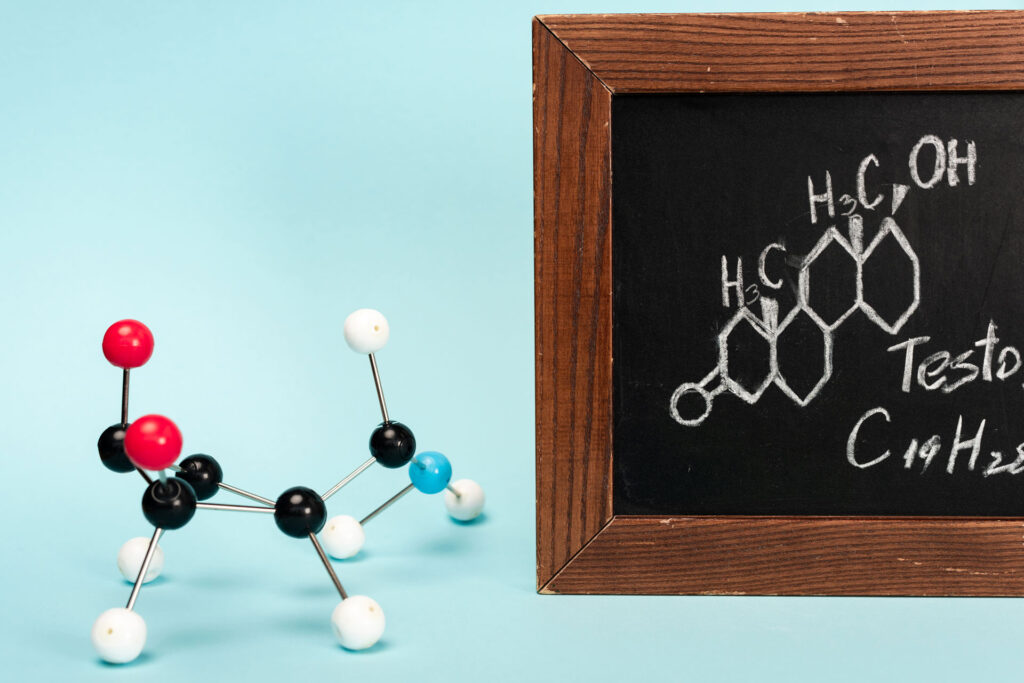
What are the different types of Testosterone Replacement Therapy?
There are different types of testosterone replacement therapy. The type of therapy an individual will undergo is based on the prescription of the medical doctor. Commonly used testosterone replacement therapies are given below:
1. Pellets
Pellets smaller than a grain of rice exhibit faster efficacy in comparison to alternative TRT therapies. Administered beneath the skin, typically in the upper hips or buttocks, these pellets steadily release testosterone over a span of approximately 3 to 6 months. (R)
2. Oral Tablets
Testosterone tablets are available, but they are not usually recommended by doctors. Only two testosterone tablets are approved by the FDA. It is due to its negative effects on liver health.
3. Gel
Testosterone gel is topically applied to the skin, necessitating a minimum of three applications per day. Following application, individuals should avoid direct contact with others to prevent transfer. Alternatively, it is occasionally applied to each nostril, a method that may occasionally lead to a runny nose.
4. Injections
Sometimes patients are treated with testosterone injections. They are injected directly deep into the muscle. Sometimes, they are injected just under the skin. ® The duration of injection therapy varies from weeks to months, depending on the individual health condition.
5. Buccal
Certain patients undergo treatment with buccal testosterone, a method that involves placing a small tablet against the gum, allowing for absorption through the oral mucosa. While this approach proves effective, a potential drawback is the occasional irritation it may cause to the gums and mouth.
What is the TRT process?
Before initiating Testosterone Replacement Therapy (TRT), a patient undergoes a series of comprehensive medical tests. The results of these tests play a crucial role in determining whether TRT is necessary for the individual. Once the treatment commences, the healthcare provider monitors the patient’s testosterone levels at specific intervals, typically at the 3-month and 6-month marks. This ongoing assessment ensures that the therapy is effectively addressing hormonal imbalances and allows for any necessary adjustments to be made for optimal outcomes. (R)
What are the benefits of Testosterone Replacement Therapy?
Testosterone replacement therapy has many benefits if taken under the supervision of a qualified medical doctor. Some of the benefits testosterone replacement therapy offers are: (R)
1. Enhanced Sexual Performance
The foremost advantage of testosterone replacement therapy lies in its ability to boost sexual libido. This treatment is specifically designed to address and alleviate the effects of low testosterone levels, contributing to an improvement in sexual desire and overall sexual well-being.
2. Improve Energy and Stamina
Testosterone replacement therapy proves beneficial in elevating metabolism, facilitating the conversion of stored fat into energy. By addressing hormonal imbalances, this therapy contributes to more efficient metabolism, potentially aiding individuals in managing body composition and promoting a healthier balance between fat utilization and energy production.
3. Improve Bone Density
In addition, TRT also helps to increase bone density and improve bone mass.
4. Lower Risk of Cardiovascular Diseases
People suffering from low testosterone levels are at higher risk of stroke or heart attack. TRT helps restore the normal production of testosterone and reduces the risk of cardiovascular diseases.
5. Improvement in Mood
Additionally, testosterone replacement therapy plays a significant role in enhancing mood by reducing symptoms of depression and anxiety. This therapeutic intervention contributes to a sense of relaxation and well-being, positively impacting the mental and emotional state of individuals undergoing treatment.
6. Enhance Brain Health
Some research data shows that TRT may also help improve cognitive health. ®
Note: The above are general benefits of TRT, not specific to any individual. Its benefits may vary among individuals.
What are the side effects of TRT?
Here are some of the potential risks associated with Testosterone Replacement Therapy (TRT):
- Acne and Oily Skin
- Increased Risk of Blood Clots
- Shrinkage of Testicles
- Development of Larger Breasts
- Lower Sperm Count
- Difficulty in Concentrating
- Increased Heart Attack Risk
- Irritability
- Decrease in Body Hair
- Urinary Changes
- Alterations in Cholesterol Levels
Note: The above side effects are generally associated with TRT, and they may not be necessarily due to TRT.
When Should a Person Avoid TRT?
Your doctor might suggest against TRT if you have any of the following conditions: (R)
- Obstructive Sleep Apnea
- Severe Congestive Heart Failure
- Above Normal Blood Cell Count
- Prostate Cancer
Note: The mentioned conditions are general instances where TRT is commonly avoided. However, there could be other specific reasons why doctors might advise against Testosterone Replacement Therapy (TRT). Therefore, it is crucial to seek guidance from a qualified medical doctor who can assess individual health factors and provide personalized recommendations based on a thorough understanding of the patient’s medical history and current health status.
What are some other methods to increase Testosterone levels?
Testosterone replacement therapy is not the only way to increase the production of testosterone. There are also some other methods you can use to boost the natural production of testosterone in the body.
- Heavy Exercise and Weight Lifting
- Minimize Stress
- Frequent Vitamin D Intake
- Zinc Supplementation
- Quality Sleep
Where can I get the best TRT in Wyoming (USA)?
You can get the best testosterone replacement therapy at Prometheuzhrt located in Wyoming (USA). You can reach out to us through our email (info@dev.prometheuzhrt.com) and contact number (307) 203 8159. You can also visit us physically, at our address (172 Center St Suite 8, Jackson, WY, 83001, United States).
Why Choose Prometheuzhrt for TRT in Wyoming?
At Prometheuzhrt, our team consists of highly qualified and professional medical doctors specializing in testosterone replacement therapy. As a leading medical clinic in this field, we prioritize the confidentiality of our patient’s personal information, ensuring that it is not shared with any external parties under any circumstances. Your privacy and well-being are paramount to us as we strive to provide comprehensive and personalized care.
Conclusion
Testosterone plays a crucial role in men’s health, contributing to essential functions such as regulating sex drive, sperm production, muscle building, and red blood cell production. Insufficient testosterone production can result in conditions like reduced sex drive, low sperm production, and diminished self-esteem. Fortunately, the advent of testosterone replacement therapy (TRT) offers a solution by restoring testosterone levels to normal. It’s important to acknowledge that while TRT can be effective, there are associated risks. Therefore, consulting with your doctor before considering TRT is crucial to ensure a well-informed and personalized approach to address your specific health needs.
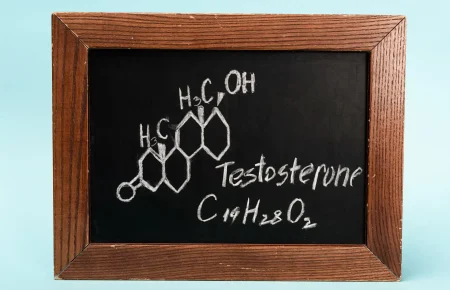
Contrary to popular belief, testosterone is essential for women as well. Testosterone replacement therapy for women is a medical treatment designed to restore and maintain optimal testosterone levels. Despite the low presence of testosterone in women, it plays a crucial role in the overall well-being of their health. When testosterone levels decrease than the normal level in women, it can negatively impact their health. In this article, we’ll explore TRT for women, its necessity, available options, benefits, side effects, and dosage considerations, with a particular focus on the offerings provided by PrometheuzHormone Replacement Therapy.
Roles of testosterone in women
The research data shows that testosterone in women is produced in ovaries, adrenal glands, fat cells, and skin cells. The amount of testosterone produced in women’s bodies is almost 1/10th to 1/20th of that of men. Early in the day, the testosterone levels are high in women and fall as the day progresses. The testosterone produced in women’s bodies is usually converted to estradiol. Some roles testosterone plays in women are given below: ®
- Hormone production
- Bone density
- Muscle strength
- Organ health
- Promote reproductive tract health
- Production of red blood cells
- Improve skin health
- Sexual function
What are the causes of low testosterone in women?
Research data shows that there are three main reasons why testosterone levels decrease in women:
1. Natural declination
Similar to men, testosterone levels in women also naturally diminish as they age, more specifically after menopause.
2. Issue with ovaries and adrenal gland
Sometimes issues with the ovaries and adrenal gland may lead to lower testosterone production.
3. Problem with pituitary glands
As pituitary glands and hypothalamus are responsible for the amount of testosterone production in both males and females. Sometimes, problems with the pituitary glands and the hypothalamus may affect the production of testosterone in females.
What are the symptoms of low testosterone in women?
Not, necessarily but a woman with low testosterone might have the following symptoms: (R)
- Sleep disturbance
- Weight gain
- Thinning hair
- Irregular menstrual cycle
- Mood changes
- Issue with fertility
- Loss of bone density
- Vaginal dryness
- Loss of libido
- Decreased sexual satisfaction
What are the different types of TRT for women?
TRT offers a range of options suitable for women, each with its own merits. These options include injections, gels, and other methods. The choice of TRT should be made based on individual preferences, medical history, and lifestyle.
1. Testosterone injections for women
TRT injections involve the administration of testosterone through injections. Commonly used products include Testosterone Enanthate, Testosterone Propionate, and others. PrometheuzHormone Replacement Therapy offers a variety of TRT injection options tailored to women’s needs.
2. Testosterone Cream for women
For those seeking a topical approach, testosterone creams for females are available. These creams/ gels are applied to the skin, allowing for the gradual absorption of testosterone. PrometheuzHormone Replacement Therapy provides high-quality TRT gels, ensuring precise dosing and convenience for women.
3. Sublingual testosterone
In this type of TRT, a small dose of testosterone is placed under the tongue. It is then directly absorbed into the bloodstream. It provides instantaneous surges to the testosterone level in the body.
4.Testosterone replacement therapy dosage for women
Determining the right TRT dosage for women is a crucial aspect of treatment. Dosage should be individualised, taking into account factors like age, medical history, and desired outcomes. Collaborating with a healthcare professional or PrometheuzHormone Replacement Therapy is essential for establishing an appropriate dosage plan.
What are the benefits of testosterone replacement therapy for women?
TRT offers numerous potential benefits for women. Some of them are listed below:
- Increase energy levels
- Improve mood
- Enhance muscle mass
- Revitalise libido
- Increase bone density
- Improve vaginal lubrication
Note: These are general benefits of TRT for women and individual results may vary depending on various factors.
What are the side effects of TRT for women?
While TRT can be highly beneficial for women, it’s essential to be aware of potential side effects. These may include: ®
- Mood fluctuations
- Changes in blood pressure
- Acne
- Hair growth on the face
- Hair loss on the head
- Weight gain
Effective management of side effects can be achieved through proper monitoring and guidance from healthcare professionals.
Note: The above side effects are generally associated with TRT, and they may not necessarily be due to TRT
What are some alternatives to TRT for women?
TRT is not the only option to increase testosterone levels for women. Also, TRT is not always suitable for all women. Some of the alternatives to TRT for women are listed below: ®
- Sex therapy
- Managing Stress
- Improving the quality of sleep you take
- Improving the quality of food you take
Best clinics for TRT for women in Wyoming
The best Testosterone replacement therapy clinic for women living in or near Wyoming is Prometheuzhrt. Prometheuzhrt is one of the front-runners in the realm of hormone replacement therapy. You can reach us through:
Email Address: info@dev.prometheuzhrt.com
Phone Number: (307) 203 8159
Google Map Location: 172 Center St Suite 8, Jackson, WY, 83001, United States
Why choose Prometheuzhrt for TRT?
- Well-qualified Staff
- Clean and neat environment
- Use of Modern Technologies
- Taking care of Patients’ privacy
- Decade of experience
Is Testosterone Replacement therapy safe?
Yes, testosterone replacement therapy offered at Prometheuzhrt is absolutely safe and backed by extensive research and medical expertise. Our specialists ensure personalised treatment plans and closely monitor each patient’s progress to provide optimal results without compromising on safety. Join us in experiencing the remarkable benefits of this therapy today!
Is Hormone Replacement Therapy reversible?
Yes, hormone replacement therapy offered by Prometheuzhrt is absolutely reversible, providing a safe and effective solution to balance hormone levels and improve overall health and well-being.
However, it should be noted that some of the effects of the Hormone Replacement Therapy may not be completely reversed and may have different results for different individuals.
Conclusion
In conclusion, Testosterone Replacement Therapy is not limited to men; it is also a valuable option for women seeking to optimise their health and well-being. Whether through injections or gels, TRT can provide increased energy, improved mood, and enhanced overall quality of life for women. To explore TRT further or seek professional guidance, consider consulting PrometheuzHormone Replacement Therapy or a healthcare provider.
Disclaimer: Testosterone replacement therapy is not suitable for everyone. That’s why it is crucial to seek consultation with a qualified medical doctor before starting TRT.

In the ever-evolving landscape of healthcare, Testosterone Replacement Therapy (TRT) remains a critical and sought-after treatment option in 2024. As we delve into the significance of TRT, its advantages, and the specific medications offered by Prometheuz, we aim to provide you with valuable insights into this transformative therapy.
What is Testosterone Replacement Therapy?
Testosterone Replacement Therapy, often referred to as TRT is a medical intervention designed to address testosterone deficiency in individuals. Testosterone, a vital hormone, plays a pivotal role in various physiological functions, including muscle growth, bone density, mood regulation, and sexual health. When the body’s natural testosterone production decreases, TRT becomes a viable solution to restore optimal hormone levels.
Testosterone Replacement Therapy Benefits
TRT offers a plethora of benefits, both physical and psychological, to individuals with low testosterone levels. Some notable advantages of TRT include:
1. Increased Energy
TRT can boost energy levels, helping individuals feel more vibrant and active in their daily lives.
2. Improved Mood
Many individuals experience enhanced mood and reduced irritability after undergoing TRT, which can have a positive impact on overall well-being.
3. Enhanced Muscle Mass
TRT can contribute to the development of lean muscle mass, aiding in physical strength and performance.
4. Heightened Libido
One of the most recognized benefits of TRT is the potential improvement in sexual desire and function.
5. Enhanced Quality of Life
TRT can lead to an improved overall quality of life by addressing the physical and emotional symptoms associated with low testosterone levels.
6. Increased Bone Density and Strength
With age, there is a decline in testosterone levels, leading to a reduction in bone density. The decrease in bone density increases the chances of bone fractures and osteoporosis over time. TRT helps in maintaining the testosterone level and helps in increasing bone density.

Medications offered by Prometheuzhrt for TRT
1. Testosterone Enanthate
Testosterone Enanthate is a popular form of TRT medication.
Administration
It is administered through intramuscular injections and is known for its slow-release properties.
Benefits of Testosterone Enanthate
- Increased muscle mass and strength.
- Improved bone density.
- Enhanced mood and overall well-being.
Side Effects of Testosterone Enanthate
Side effects should be monitored and managed under medical supervision. (R)
- Heart attack and stroke risk
- Blood clots
- Liver problem
- Swellings in the legs and arms
2. Testosterone Propionate
Testosterone Propionate is another injectable TRT medication known for its fast-acting nature. It requires more frequent administration than other forms of testosterone.
Administration
Testosterone propionate is injected directly into your muscles. More commonly it is injected into the buttocks.
Benefits of Testosterone Propionate (R)
- Quick onset of action.
- Enhanced energy and mood.
- Potential improvements in libido.
Side Effects of Testosterone Propionate
Possible side effects are similar to those of Testosterone Enanthate. Some of them are listed below: ®
- Nausea
- Vomiting
- Headache
- Skin colour change
Monitoring and medical guidance are essential.
3. Testosterone Cypionate/Enanthate (Sesame Oil)
This formulation combines testosterone with sesame oil, providing an alternative delivery method for TRT.
Benefits of Testosterone Cypionate/Enanthate (Sesame Oil) (R)
- Maintain stable testosterone level
- Customised dosage according to the individual needs
Side Effects of Testosterone Cypionate/Enanthate (Sesame Oil) (R)
- Acne
- Hair loss
- Increased risk of blood clots
4. Testosterone Cypionate/Propionate (Sesame Oil)
This medication combines testosterone with sesame oil and is used for TRT.
Benefits of Testosterone Cypionate/Propionate
Benefits include:
- Increased energy
- Prevent blood fluctuation
Side Effects of Testosterone Cypionate/Propionate
Common side effects may include:
- Acne
- mood swings.
Close medical supervision is advised.
5. Testosterone Cypionate/Propionate/Enanthate 100/50/100 (Sesame Oil)
Cypionate/Propionate/Enanthate 100/50/100 in combination is not a common practice. The dosage and frequency of administration of these drugs depend on the patient’s medical condition, age, and other factors.
This unique combination of testosterone forms in sesame oil provides a tailored approach to TRT.
Benefits of Testosterone Cypionate/Propionate/Enanthate
- Combines the benefits of multiple testosterone forms.
- Offers flexibility in treatment.
Side Effects of Testosterone Cypionate/Propionate/Enanthate
- Side effects are consistent with other TRT medications.
Monitoring and healthcare guidance are essential.
6. Testosterone Cypionate Vial
Administration
Testosterone cypionate vial is administered through injection into the buttocks. The cycle continues from 1 to 4 weeks.
Benefits: (R)
- Increase libido
- Promote better erectile dysfunction
- Support muscle growth
- Provide cognitive benfits
Side effects: (R)
Some of the side effects of testosterone cypionate vial are listed below:
- Nausea
- Vomiting
- Headache
- Skin Colour changes
What are some non-medicinal alternatives to TRT?
For men who are suffering from low testosterone levels, taking testosterone replacement therapy is not the only option. There are also some non-medicinal alternatives to it: ®
- Sleep well
- Maintain ideal body weight
- Avoid developing diabetes
- Daily exercise
- Avoid Tobacco products
- Avoid opioid pain medication
- Avoid Xenobiotics
Prometheuz and the Importance a of Medical Consultation
When it comes to Testosterone Replacement Therapy (TRT), the partnership between individuals and healthcare providers is paramount. Prometheuz is committed to providing high-quality TRT medications to those who can benefit from them, but always with the understanding that responsible and informed healthcare decisions should guide the process.
Prometheuz emphasizes the importance of a medical consultation before initiating TRT. Each person’s medical history and specific needs must be taken into account to determine the most suitable TRT regimen. This consultation process ensures that TRT is administered safely and effectively, minimising the risk of side effects and optimising the benefits.
Conclusion
In conclusion, Testosterone Replacement Therapy is a valuable medical intervention that can transform lives. Prometheuz is dedicated to supporting individuals on their TRT journey, always with the highest regard for their health and well-being. If you’re considering TRT or have questions about the options available, we encourage you to consult with a healthcare professional or contact Prometheuz. Together, we can help you achieve the improved quality of life that TRT has to offer, responsibly and safely.

Hormone Replacement Therapy Hormone replacement therapy has been increasingly used to help relieve the uncomfortable symptoms associated with menopause, but is it an appropriate choice for everyone? In this comprehensive look at Hormone Replacement Therapy, we will provide all the information you need in order to make a knowledgeable decision regarding your health – outlining types of therapy available, advantages and disadvantages, as well as alternate treatment options.
Short Summary
- Hormone Replacement Therapy Hormone replacement therapy is a popular treatment for menopausal symptoms but carries potential health risks.
- Estrogen and progesterone are key hormones in Hormone Replacement Therapy treatments which can be delivered via various methods.
- Alternatives to Hormone Replacement Therapy include lifestyle changes, non-hormonal medications, and complementary therapies with associated benefits & risks that should be discussed with a healthcare professional before initiating therapy.
Understanding Hormone Replacement Therapy Hormone replacement therapy

Menopausal hormone therapy Hormone replacement therapy is a form of treatment for postmenopausal women in which the lost estrogen and progesterone hormones are replaced, thus addressing menopause-related symptoms like hot flashes, night sweats, and vaginal dryness. Systemic Hormone Replacement Therapy works by delivering these hormones throughout the body while combined hormonal therapy also provides protection against osteoporosis & heart diseases. This type of combination hormone therapy however has been linked with certain health risks such as breast cancer concerns, endometrial cancer issues, blood clots, stroke & liver disease.
Estrogen and progesterone: The key hormones
Estrogen and progesterone are essential female hormones, both of which postmenopausal women have a lower production rate. Progesterone is especially important in Hormone Replacement Therapy as it helps reduce the chances of endometrial (uterine) cancer when taken with systemic estrogen therapy for those who still possess a uterus. Continual use of both hormones together can help stop any monthly bleeding from occurring among these particular patients. On the other hand, if no progesterone is included alongside systemic estrogen, there may be an increased possibility that uterine cancer will develop. This emphasizes why females must take great care in managing their hormone intake accordingly within such treatments.
Types of Hormone Replacement Therapy treatments
Estrogen therapy is a form of systemic estrogen that comes in two major varieties, either as just the hormone itself or with progesterone and/or progestin. For women who still have their uterus, it’s advised to take combination hormones like low doses of both estrogens and progetins. This helps reduce the risks for endometrial cancer associated with taking only one kind on its own. Systemic estrogen therapy (SET) combining these two types are particularly recommended for ladies without hysterectomies due to how single-hormone EST can lead to an overgrowth in endometrial tissue which increases said risk.
Delivery methods for hormone replacement therapy
Hormone Replacement Therapy can be administered in a variety of ways, allowing individuals to select the most suitable option depending on their personal needs and desires. Different possibilities include taking oral pills, wearing patches, utilizing creams or sprays that contain estrogen hormones combined hormone therapy along with a vaginal ring device. All these treatments offer flexibility for finding the best one which fits each person’s individual situation.
Evaluating the Benefits of Hormone Replacement Therapy

Hormone Replacement Therapy Hormone replacement therapy is commonly used to ease the troubling effects of menopause. It also brings a range of other benefits, including reducing vaginal dryness and guarding against osteoporosis as well as heart disease risks.
It’s worth examining these advantages in more detail, Hormone Replacement Therapy can be especially useful for dealing with symptoms associated with menopausal changes such as hot flashes or night sweats. On top of that, it assists in avoiding issues like low bone density linked to weakening bones plus any issues related to low bone density.
Relief from hot flashes and night sweats
Many women who have been through menopause experience hot flashes and night sweats, which can adversely affect their quality of life. There is help to relieve symptoms, however: Hormone replacement therapy with estrogen has been proven to lessen the frequency and intensity of these uncomfortable symptoms. Consequently providing a great sense of relief for those dealing with this issue.
Improvement in vaginal dryness
Hormone therapy has been found to be an effective way of alleviating the symptoms caused by vaginal dryness, which is a very common issue during menopause. Itching, burning, and discomfort during intercourse can all be reduced using systemic hormone therapy, Hormone Replacement Therapy, or local treatment – providing relief and improving sexual well-being in most cases.
Protection against osteoporosis and heart disease
Studies have suggested that long-term Hormone Replacement Therapy may provide benefits against the development of osteoporosis and heart disease. While evidence is not enough to demonstrate an improvement in cardiovascular health, research has shown that it could be a protective factor for preventing osteoporosis.
On the other hand, some studies show there might be a greater risk of stroke or blood clots when taking hormone replacement therapy Hormone replacement therapy. Others indicate its usefulness in lowering one’s chance of getting bone problems as well as improving general well-being.
Assessing the Risks of Hormone Replacement Therapy

The use of Hormone Replacement Therapy has various advantages, but it can also come with potential risks. This section will analyze the links between this therapy and breast cancer, stroke, endometrial cancer, blood clots, and liver disease.
Research shows that there is an augmented risk of developing breast cancer for females using hormone replacement treatment, especially when taken over a long period or at high doses. Other conditions related to Hormone Replacement Therapy have been revealed as well. These include blood clotting issues along with problems in the liver area plus heightened dangers regarding endometrial carcinoma too.
Breast cancer concerns
Many women are aware of the possible increased risk of breast cancer that comes with Hormone Replacement Therapy. Investigations suggest that hormone replacement therapy may slightly boost women’s health and chances, especially for estrogen receptor-positive cancers.
For this reason, it is essential to have a discussion about these potential risks with a healthcare provider. Particularly if there has been any history of breast cancer within one’s family or personal life.
Blood clots and stroke
t is important to take into consideration the potential risks associated with hormone replacement therapy Hormone replacement therapy before deciding whether or not it is suitable for you. Studies have indicated that women taking Hormone Replacement Therapy tablets are more likely to experience blood clots than others, at a rate of 58% higher, particularly in the first year and if they present coagulation issues or a previous medical history of thrombosis.
Prior to starting such a treatment regime, it should be discussed thoroughly between the patient and healthcare provider about all possible outcomes regarding its use.
Endometrial cancer and liver disease
Studies suggest that hormone replacement therapy may have varied effects on endometrial cancer, with some evidence indicating a heightened risk and other data pointing to insignificant or no changes. When it comes to liver disease, research suggests that estrogen-only MHT could reduce the likelihood of developing liver cancer but has been linked to potentially causing abnormal blood tests as well as liver damage. Consulting medical professionals before deciding about Hormone Replacement Therapy is essential in order to weigh out these risks properly.
Who Should Consider Hormone Replacement Therapy?

When considering whether Hormone Replacement Therapy is suitable for you, age, health, and the presence of a uterus are all essential factors that need to be taken into account. In order to assist in making an informed decision, we will look at each factor individually below.
Age plays a key role when deciding if hormone replacement therapy is right for someone. Speaking.
Age and health considerations
The importance of considering age, menopausal state, individual and familial family medical history and histories as well as the intensity of menopause symptoms when evaluating hormone replacement therapy must not be overlooked. Risk factors for various illnesses such as cancer, cardiac disease, stroke, blood clots issues with liver functioning, and osteoporosis should also form part of this assessment process in order to best decide on what is suitable within a given context. It is essential that you take into account both positive outcomes and potential risks associated with using Hormone Replacement Therapy based on your personal health circumstances before making any decisions regarding it.
Presence or absence of a uterus
Hormone therapy is prescribed differently depending on whether or not a woman has had her uterus removed. Estrogen-only hormone treatment carries fewer potential long-term risks than estrogen-only therapy combined with progesterone for women who have undergone hysterectomy. Women whose uteruses are still intact require the addition of either progesteronem, also known as progestin, to their program in order to reduce the chances of developing endometrial cancer when taking estrogen replacement therapy.
Contraindications and precautions
Prior to beginning hormone replacement therapy, it is essential for individuals to discuss potential risks with a healthcare professional. This approach will allow them to make informed decisions regarding Hormone Replacement Therapy use. Issues such as active liver disease, breast cancer (or other estrogen-based cancers), high-risk endometrial cancer, unexplained vaginal bleeding, or past experience of venous thromboembolic events or stroke could be contraindications when using this type of treatment.
Alternatives to Hormone Replacement Therapy

When looking for alternatives to Hormone Replacement Therapy, there are a few options available in order to help cope with menopausal symptoms. These include lifestyle modifications, non-hormonal medications and complementary therapies as potential replacements only therapy.
In terms of changes that can be made on an individual level, having a balanced diet is one way of doing this. It also includes exercising regularly and managing stress effectively. Certain non-hormonal medications may prove beneficial when treating the various issues associated with transitioning into menopause such as hot flashes or night sweats. Finally, several complementary treatments have been seen to aid those going through menopause treatment to get through the experience, including herbal remedies like chasteberry (vitex) and acupuncture.
Lifestyle changes
Menopausal symptoms can be managed without the use of Hormone Replacement Therapy by making small changes to everyday habits. To do this, it is important to stay active with regular exercise and consume a balanced diet while also managing stress levels and avoiding certain triggers like caffeine or alcohol.
Although there isn’t much scientific research that proves these strategies are effective in relieving symptoms of menopause-related issues, they certainly pose no known risks compared to hormone therapies.
Non-hormonal medications
For those wishing to find relief from menopausal symptoms without the use of hormone replacement therapy, there are several non-hormonal medications available to relieve menopausal symptoms. Drugs like Paroxetine, Venlafaxine, Gabapentin and Effexor XR can provide an alternative option for symptom management. Though these treatments may come with their own risks. These alternatives should be discussed with a health professional prior to beginning any treatment regime in order to identify the safest option for each individual case.
Complementary therapies
The North American Menopause Society recommends using natural and holistic treatments instead of hormone replacement therapy to handle menopausal symptoms. This approach can include therapies such as evening primrose oil, black cohosh, red clover, sage extract St. John’s Wort extracts, valerian root extracts, phytoestrogens consumption along with yoga and acupuncture practices. Although there is little scientific evidence confirming the efficacy of these alternatives, they are preferred for having a more organic attitude towards managing this stage in women’s life.
Summary
It is important to consider the advantages and disadvantages of hormone replacement therapy Hormone replacement therapy in light of age, health status, individual needs and other factors. To determine what type of management best addresses menopausal symptoms, it’s necessary to seek advice from a healthcare professional. At the end of the day, choosing between Hormone Replacement Therapy or alternative solutions comes down to personal preference. Being aware of all options will help make an informed decision regarding one’s overall wellbeing.
Frequently Asked Questions
Can you lose weight with hormone replacement therapy?
Replacement therapy involving hormones can be beneficial in the weight-loss journey, particularly during menopause when levels of these substances vary considerably. Research indicates that Hormone Replacement Therapy (hormone replacement therapy) helps decrease fat deposits and facilitates losing pounds.
What is the most common hormone replacement therapy?
Hormone replacement therapy commonly includes taking pills containing estrogen, such as conjugated estrogens or estrogens-bazedoxifene. This form of treatment is the most common and popular choice when it comes to replacing hormones in the body.
What does hormone replacement therapy do?
Replacement therapy, specifically Hormone Replacement Therapy Hormone replacement therapy, is an effective way of counteracting menopausal symptoms such as hot flashes and vaginal irritation that arise from a decrease in female hormones. It also helps to minimize the risk of health issues connected with menopause like heart disease or osteoporosis for many women. Such treatment can be very safe too, making it suitable for most cases treat menopause symptoms when administered correctly.
What is in Hormone Replacement Therapy?
It is recommended to remain consistent in using a combination of oestrogen and progestogen as prescribed by your doctor for at least three months, when managing hormone imbalance. Although side effects may be experienced initially, these usually improve over time with the course of treatment.
Can you lose weight with hormone replacement therapy?
Hormone Replacement Therapy has several advantages for menopausal women, such as relieving symptoms and maintaining vaginal moisture. It can also help protect against diseases like heart disease and osteoporosis while reducing the risk of particular types of cancer, including endometrial cancer. Mood elevation, reduction in hot flashes along with improved sleep are all potential benefits from Hormone Replacement Therapy too. Yet it is essential to note that not everyone may respond positively to this treatment option. Thus its use to treat menopausal symptoms should be considered carefully on an individual basis before deciding upon a course forward with medical advice underlined by safety considerations at every step along the way.


As a man grows older, his body starts showing symptoms that it is not functioning the way it was before. This mainly happens because of the drop in the key hormone testosterone.
The testosterone hormone declines with age, typically after the age of 35. However, it can be restored through testosterone replacement therapy (TRT).
Men with low testosterone can choose TRT after consulting with their doctor. This therapy is also well-received by older men. Though TRT has shown some benefits, it does come with some side effects.
In this blog, we will explore everything about testosterone replacement therapy. From its benefits and side effects to everything in between.
What is Testosterone Replacement Therapy (TRT)?
Testosterone replacement therapy, or TRT, is a medical treatment that helps restore testosterone levels in the body. The testosterone levels usually peak in late adolescence, around ages 18 to 20. However, these levels drop as men grow older.
The testosterone hormone is present in women as well, but it is found abundantly in men. It plays a key role in the development of male reproductive tissues, such as the testes and prostate. During puberty, it can lead to an
- Increase in bone and muscle mass.
- Thickening of body hair.
- Deepening of the voice.
What are the Different Types of Testosterone Replacement Therapies?
Testosterone replacement therapy has various types. And people choose from different therapies after consulting with their doctor. The following are the most common types of testosterone replacement therapies available:
- Injectable testosterone
- Transdermal patches
- Topical gels and creams
- Buccal tablets
- Pellets implant
- Oral testosterone
| Overview | Injectable Testosterone | Transdermal Patches | Topical Gels and Creams | Buccal Tablets | Pellets Implant | Oral Testosterone |
| Names | Testosterone enanthate, cypionate, or undecanoate | Androderm | AndroGel, Testim, Fortesta | Striant | Testopel BioTE | Testosterone undecanoate |
| Frequency | Weekly, bi-weekly, or every 10 –14 weeks (depending on type) | Once daily, applied in the evening, usually on clean and dry skin | Once daily applied in the morning on clean and dry skin | The tablet is placed in the upper gum area | Implanted under the skin (usually in the hip area) for 3 to 6 months | Split into two doses, taken one in the morning and one in the evening |
| Pros | Effective, affordable | Steady hormone levels | Easy to use, stable hormone levels | Avoids liver metabolism | Long-lasting no daily maintenance | Easy to take |
| Cons | Hormone levels may spike and drop between doses | Skin irritation, daily application required | Risk of transferring testosterone to others via skin contact | Gum irritation must be applied twice daily | Requires a minor surgical procedure | Historically avoided due to liver side effects. (New versions do not cause this problem.) |

Who Should Consider Taking TRT?
TRT is prescribed for men with a hypogonadism condition. It’s a condition in which a man’s testosterone levels are below average. Besides that, men with the following conditions may also consider this therapy:
- Men with clinically low testosterone levels confirmed by blood tests (hypogonadism).
- Men experiencing symptoms like low libido, fatigue, decreased muscle mass, and mood changes are linked to low testosterone.
- Men with certain medical conditions, such as type 2 diabetes or metabolic syndrome.
- Men with osteoporosis or low bone density are related to testosterone deficiency.
- Men with delayed puberty or underdeveloped secondary sexual characteristics due to low testosterone
Who Should Avoid TRT?
TRT is not meant for every person. Individuals should talk to their doctors before considering this therapy. Generally, the therapy is not recommended for people with the following conditions:
- Prostate or Breast Cancer
- Elevated Prostate-Specific Antigen (PSA)
- Severe Obstructive Sleep Apnea
- Severe Lower Urinary Tract Symptoms
- Uncontrolled Heart Failure
- Recent Stroke or Myocardial Infarction
- Elevated Hematocrit Levels
- Desire For Fertility: (TRT can suppress spermatogenesis, leading to reduced fertility).
What are the Symptoms of Low Testosterone?
When a man’s testosterone level drops, they will not easily know it. A few common symptoms related to low testosterone levels are:
- Reduced sex drive (low libido)
- Erectile dysfunction or difficulty achieving/maintaining an erection
- Fatigue and decreased energy levels
- Loss of muscle mass and strength
- Increased body fat, especially around the abdomen
- Mood changes such as depression, irritability, or difficulty concentrating
- Decreased bone density (leading to osteoporosis)
- Reduced body hair or thinning of facial and body hair
- Difficulty sleeping or insomnia
- Reduced motivation and self-confidence
- Smaller testicle size
How Do Doctors Diagnose Low Testosterone Levels?
There are different methods that doctors use to determine testosterone levels. They typically conduct a physical examination and evaluate symptoms. After which, they perform a blood test.
Doctors diagnose low testosterone levels by:
1. Reviewing Symptoms:
In this step, doctors begin by asking about symptoms. These symptoms include low sex drive, fatigue, erectile dysfunction, infertility, or loss of muscle mass.
2. Physical Examination:
After that, a detailed physical examination is performed to check for signs such as reduced body hair, enlarged breasts, or small testicles.
3. Blood Test:
This is the most important step. In this step, doctors take your blood sample. This test is usually taken in the morning between 7 and 10 a.m., when testosterone levels are at their highest.
The most common test is the total testosterone test. It measures both free and protein-bound testosterone.
4. Repeat Testing:
If low hormones in your blood are detected, then the doctor may consider a second test on a different day.
5. Additional Tests (if needed):
If doctors detect low testosterone levels, they may ask for further tests to find the root cause. These tests could include:
- LH and FSH hormone tests to check pituitary function.
- Prolactin levels
- Imaging tests (like an MRI of the pituitary gland)
- Tests for other hormone levels or underlying conditions.

What Are the Benefits of Testosterone Replacement Therapy?
Testosterone replacement therapy has shown various benefits for different people. A few of the reported and common benefits of the TRT are as follows:
1. Improved Libido and Sexual Function
When a person has low testosterone levels, they face problems with their libido and sex drive. Low testosterone levels can lead to erectile difficulties as well. With proper TRT, individuals may experience improvements in their libido, frequency of sexual thoughts, and erectile quality.
2. Increased Muscle Mass and Strength
Testosterone plays a crucial role in muscle protein synthesis. Low testosterone levels can affect muscle mass. With the help of TRT, one may potentially feel an increase in lean body mass (muscle) and a reduction in fat mass.
3. Better Mood and Mental Clarity
Low testosterone levels may cause depression, irritability, and anxiety. Many men on TRT report improvements in emotional stability, motivation, and mental sharpness. While not a treatment for clinical depression, TRT may help stabilize mood in men whose low testosterone contributes to mood disturbances.
4. Increased Bone Density
Testosterone helps maintain bone mineral density. Men with low T are at higher risk for osteopenia or osteoporosis. In this condition, the risk of fractures increases greatly. TRT slows or reverses bone loss to strengthen bones.
5. Enhanced Energy and Vitality
One of the most commonly reported symptoms of low testosterone is persistent fatigue or a lack of vitality. TRT often improves daytime energy levels and reduces feelings of exhaustion.
What Are the Side Effects of Testosterone Replacement Therapy?
Just like any other treatment, TRT also has some side effects. The most common side effects of TRT are listed below:
1. Acne
2. Skin irritation
3. Breast enlargement (gynecomastia)
4. Increased red blood cell count, leading to the risk of blood clots
5. Fluid retention
6. Sleep apnea
7. Mood changes
8. Prostate enlargement
Final Thoughts:
Testosterone levels plays a very important role in a male’s body. When these levels are low, they can impact other functions, including libido, bone density, and muscle mass. Testosterone replacement therapy (TRT) is a medical treatment that is designed to overcome this problem.
TRT helps restore testosterone levels in the body, which helps improve libido, muscle mass, and bone density. The therapy has many benefits, including improving sexual drive, enhancing mood, overcoming fatigue, and improving bone mineral density. It also has a few side effects, including sleep apnea, acne, skin irritation, and prostate enlargement.
You can visit Prometheuz if you want to opt for TRT. The online shop provides you with the best doctors who will guide you and evaluate your situation.
FAQs
- How to Restore Testosterone Levels Naturally?
If you want to restore your testosterone levels naturally, you may need to make substantial changes in your lifestyle. You need to take a proper 7-9 hours sleep, eat a healthy diet, and exercise intensely. You need to manage your weight by eating healthy fats, proteins, and whole foods. Some key nutrients like vitamin D, zinc, magnesium, and B vitamins support testosterone production.
- What are the Alternatives to Testosterone Replacement Therapy?
A few alternatives to TRT include medications such as clomiphene citrate, human chorionic gonadotropin (HCG), and aromatase inhibitors. In addition to that, a few lifestyle changes, including weight loss, exercise, and improved sleep, could be the best alternative to traditional TRT. These options can help stimulate the body’s testosterone production or manage the symptoms of low testosterone without direct hormone replacement.
- What is the Difference Between Age-Related Testosterone Decline and Hypogonadism?
Age-related testosterone decline is a gradual, mild decrease in testosterone levels. It typically begins after age 40 and is influenced by aging, obesity, or chronic illness. This condition can be reversible with lifestyle changes. In contrast, true hypogonadism is a medical condition caused by testicular (primary) or pituitary/hypothalamic (secondary) dysfunction. This can reduce testosterone levels and impact LH/FSH levels. Unlike age-related decline, hypogonadism can occur at any age.

Hormone replacement therapy Hormone replacement therapy is a medical treatment that involves replacing or supplementing hormones that are naturally produced in the body but are deficient or declining due to various factors. It’s used for both men and women experiencing hormonal imbalances.
Hormone Replacement Therapy replaces deficient hormones, potentially enhancing muscle growth and athletic performance through optimized protein synthesis and recovery.
Hormone Replacement Therapy involves altering hormone levels, which can have profound effects on the body. Medical supervision ensures proper monitoring of hormone levels, preventing potential imbalances and complications.
What is the role of testosterone in Muscle development?
Testosterone stands as the paramount catalyst for muscle development, functioning as a potent anabolic steroid. Its multifaceted impact includes the stimulation of protein synthesis within muscle cells, amplification of muscle fiber size, and augmentation of satellite cell activity—essential for the repair and rejuvenation of muscle tissue.
Furthermore, testosterone plays a pivotal role in fortifying bone density and establishing a robust foundation for muscular growth. It also propels the production of red blood cells, heightening oxygen delivery to power muscular exertion.

What are the symptoms of low testosterone in the body?
Low testosterone levels can manifest in various ways, affecting both physical and mental well-being. Here are 7 common symptoms of low testosterone in the body:
- Reduced Sex Drive
- Erectile Dysfunction
- Fatigue and Reduced Energy
- Loss of Muscle Mass and Strength
- Increase Body Fat
- Mood Swing and Irritability
- Bone loss and Osteoporosis
What are the benefits of optimising low testosterone levels?
Some of the benefits of optimising low testosterone are listed below:
- Enhanced Muscle Mass
- Improved Strength and Endurance
- Accelerated Recovery
- Increased Bone Density
- Enhanced Cognitive Function
- Elevated Mood and Well-being
- Improve Cardiovascular Health
How does Hormone Replacement Therapy help in building Muscle Mass?
Hormone Replacement Therapy can potentially enhance muscle building in several ways, but it’s crucial to remember that this effect will vary depending on individual factors and is best approached with medical supervision. Here’s how Hormone Replacement Therapy can contribute to muscle growth:
1. Testosterone Boost: For men with low testosterone levels, Hormone Replacement Therapy-like testosterone replacement therapy (TRT) can significantly increase muscle mass. Testosterone directly stimulates protein synthesis, the process by which muscles build new tissue. It also increases satellite cell activity, crucial for muscle repair and growth.
2. Enhanced Protein: Utilization: Hormone Replacement Therapy can improve the absorption and utilization of protein from your diet, a key building block for muscle. This allows your body to build muscle more efficiently with the protein you consume.
3. Improved Recovery: Hormone Replacement Therapy can promote faster muscle recovery after exercise, allowing you to train more frequently and intensely. This is due to enhanced blood flow and reduced inflammation, promoting faster repair and regeneration of muscle tissue.
4. Increased Bone Density: Higher testosterone levels through Hormone Replacement Therapy can lead to stronger bones, providing a better foundation for supporting muscle growth. Stronger bones can handle heavier training loads and contribute to overall athletic performance.
5. Metabolic Adaptations: Hormone Replacement Therapy can alter metabolic pathways to favor muscle building over fat storage. This optimizes your body’s fuel utilization for muscle development and can benefit overall body composition.

What are the different Methods of Hormone Replacement Therapy for muscle building?
There are several types of Hormone Replacement Therapy, each impacting muscle building in different ways:
1. Testosterone Replacement Therapy (TRT):
- Primarily for men with low testosterone levels.
- Increases muscle mass and strength through boosted protein synthesis and satellite cell activity.
- Available in various forms like injections, gels, patches, and implants.
2. Growth Hormone Replacement Therapy (GHR)
- Stimulates protein synthesis and cell growth, potentially enhancing muscle mass.
- May also improve metabolism and fat burning.
- Typically used for individuals with growth hormone deficiency, not solely for muscle building.
3. Insulin-like Growth Factor (IGF) Therapy
- IGF-1, a hormone stimulated by growth hormone, plays a crucial role in muscle growth and repair.
- IGF therapy is still under research for its effectiveness and safety in muscle building.
4. Selective Androgen Receptor Modulators (SARMs):
- Not technically Hormone Replacement Therapy but acts similarly, selectively binding to androgen receptors in muscle tissue.
- Can promote muscle growth and fat loss but are potentially dangerous with significant side effects.
- SARMs are not approved for medical use and should be avoided due to their unregulated nature and safety concerns.
5. Hormone Replacement Therapy Hormone replacement therapy for Women:
- Can help maintain muscle mass and bone density, especially after menopause when estrogen levels decline.
- Hormone Replacement Therapy for women typically involves estrogen and progesterone, not just testosterone.
- Not primarily intended for muscle building but can indirectly support it through metabolic and hormonal changes.
What are the different types of Hormone Replacement Therapy for muscle building?
Testosterone Replacement Therapy (TRT) comes in various forms, each with its advantages and disadvantages. Choosing the right one depends on factors like personal preference, lifestyle, and medical history. Here’s a breakdown of the most common types:
1. Injections:
Types: Testosterone Cypionate, Testosterone Enanthate, Testosterone Undecanoate
Pros:
- Long-lasting (can last several weeks), requiring fewer injections
- Precise control over dosage
- Potentially more cost-effective in the long run
Cons:
- Requires self-injection or professional administration
- Can cause pain and irritation at the injection site
- Potentially higher risk of blood clots and other side effects
2. Gels:
Types: AndroGel, Testim, Axiron
Pros:
- Convenient and easy to apply
- No injections or needles involved
- Lower risk of blood clots compared to injections
Cons:
- Requires daily application
- Can be messy and transfer to others through skin contact
- Higher risk of side effects like skin irritation and acne
3. Patches:
Types: Androderm, TestoPatch
Pros:
- Convenient and long-lasting (patch usually needs changing every 24 hours)
- No needles or injections
- Lower risk of skin irritation compared to gels
Cons:
- Can be visible and cause skin irritation at the application site
- Less precise control over dosage compared to injections
4. Implants:
Types: Testopel Pellets
Pros:
- Long-lasting (can last up to 6 months)
- Convenient with minimal maintenance
Cons:
- Requires minor surgery for insertion and removal
- More expensive than other forms
- Less precise control over dosage compared to injections
Can I use Hormone Replacement Therapy to lose weight and increase muscle?
While Hormone Replacement Therapy shows potential for both muscle building and weight loss, it’s not a quick fix. Testosterone in Hormone Replacement Therapy can boost muscle growth and calorie burn, but individual results vary and risks exist. Always consult a healthcare professional before starting Hormone Replacement Therapy, and remember: that lasting success requires a holistic approach beyond hormones, including diet, exercise, and lifestyle changes.
Is Hormone Replacement Therapy safe for bodybuilding?
Using Hormone Replacement Therapy Hormone replacement therapy for bodybuilding is generally unsafe. Hormone Replacement Therapy, designed for medical purposes, can pose risks when used improperly, leading to cardiovascular issues, liver damage, endocrine disruptions, and legal consequences. Achieving muscle growth is better pursued through safe alternatives like proper nutrition and exercise. Consultation with a healthcare professional is essential before considering Hormone Replacement Therapy for bodybuilding.

Can Hormone Replacement Therapy cause muscle pain?
Yes, Hormone Replacement Therapy Hormone replacement therapy can potentially cause muscle pain as a side effect. Individuals undergoing Hormone Replacement Therapy, particularly with testosterone or other hormones, may experience musculoskeletal discomfort or pain. It is essential to discuss any such symptoms with a healthcare provider for appropriate evaluation and management. (R)
How can I use Hormone Replacement Therapy to obtain the best results?
To maximize the benefits of Hormone Replacement Therapy Hormone replacement therapy, you should collaborate closely with an experienced healthcare professional to customize the treatment plan to meet your requirements. The best and safest results from hormone replacement therapy can be achieved with a healthy lifestyle that includes exercise and a balanced diet, as well as regular monitoring of hormone levels and modifications as needed.
Does Hormone Replacement Therapy improve athletic performance?
While Hormone Replacement Therapy Hormone replacement therapy can lead to increased muscle mass and strength, which may benefit athletic performance, its use for performance enhancement is controversial and subject to anti-doping regulations. Athletes considering Hormone Replacement Therapy should consult with medical professionals to ensure compliance with ethical and legal standards, as misuse can lead to serious health risks and consequences in competitive sports. (R)
Conclusion
In conclusion, optimizing muscle build and performance through Hormone Replacement Therapy Hormone replacement therapy requires careful consideration and medical supervision. Hormone Replacement Therapy, particularly Testosterone Replacement Therapy (TRT), can enhance muscle growth by stimulating protein synthesis, improving protein utilization, promoting faster recovery, increasing bone density, and optimizing metabolic pathways. However, it is crucial to approach Hormone Replacement Therapy with caution, as misuse can lead to adverse health effects and legal consequences.
Regular monitoring of hormone levels, adherence to ethical standards, and a holistic approach involving exercise, nutrition, and lifestyle modifications are key to achieving the best and safest results from Hormone Replacement Therapy. Additionally, athletes should be aware of anti-doping regulations surrounding Hormone Replacement Therapy use to avoid potential risks and consequences in competitive sports.

There can be many possible reasons for low sex drive in women. Sometimes, it’s temporary, while it may be permanent. Each woman has her own sex drive, which can be different from others.
Libido does not remain constant throughout life, and it fluctuates occasionally. But you should consult a concerned medical doctor if you are worried about your low libido.
Today’s topic is about the causes of low sex drives in women, the effects of menopause on sex drives, and how to treat low sex drives in women with Hormone Replacement Therapy.
What are the causes of low sex drives in women?
Multiple interrelated factors are responsible for low sex drives in women. It’s a bit complex, but let’s give them a brief look.
1. Fatigue and life stressors
Most women spend their days doing home chores and looking after babies. Mostly, they sacrifice their sleep for it. Also, they can’t find a considerable amount of time for exercise.
This monotonous and busy routine makes them feel exhausted. And most women think that they are sexually dead.
2. Medication
Consuming too much medication may also lead to low sexual drive in women. If you are on medication and think it is affecting your sexual drive, discuss it with your doctor.
3. Sexual Pain
Sometimes, women feel pain during sex. They often feel discomfort during sexual activity. Pain during sex can often be treated with medical intervention or therapy.
4. Relationship Issue
Sex is not just a physical act; it also requires emotional attachment. Due to multiple reasons, many relationships lack this emotional attachment. And women don’t find sex something to be cherished about.
5. Hormone Changes
With time, women’s hormone levels drop, specifically during menopause. The estrogen levels fall during menopause, and it can significantly affect women’s libido. It may result in vaginal dryness and make sex a painful activity.
How does menopause affect sex drive?
Though menopause is a normal biological process, it can affect a woman’s social, mental, and sexual lives.
The hormonal changes during menopause can significantly impact a woman’s libido. The hormone estrogen plays a vital role in maintaining women’s vaginal health. It enhances lubrication and promotes blood flow to the pelvic region.
During menopause, estrogen levels fall, and women feel discomfort during sexual activity. This can lead to a decrease in sexual activities among women.
Moreover, women’s testosterone levels also fall during menopause, which further declines their interest in sex.

Does Hormone Replacement Therapy Increase Sex Drive?
Yes, Hormone Replacement Therapy for women can help increase sex drive. However, its effects vary from woman to woman. It depends on the types of hormone therapy a woman takes, specific hormonal requirements, and other underlying medical conditions.
Generally, taking Hormone Replacement Therapy, such as menopausal therapy for menopause or perimenopause, can help alleviate symptoms such as hot flashes, night sweats, and vaginal dryness.
How Hormone Replacement Therapy Can Help with Low Sex Drive?
Estrogen Therapy
Estrogen helps maintain the health of vaginal tissues and lubrication, which can enhance sexual comfort and pleasure. Improved vaginal health can reduce pain during intercourse, which might increase sexual desire.
Testosterone Therapy
Testosterone is linked to sexual desire and arousal. Although women produce much lower levels of testosterone than men, a deficiency can still impact libido. Studies have shown that testosterone therapy can improve sexual desire, arousal, and satisfaction in postmenopausal women.
How to boost testosterone in females?
There are many different ways you can boost testosterone in females. Some nutrients you can use to increase testosterone in females are zinc, protein, magnesium, and vitamin B6.
What hormone increases sex drive in females?
Estrogen plays a vital role in increasing sex drives in females. It helps increase vaginal lubrication and sexual desire in females.
Final Thoughts
Hormone Replacement Therapy can be an effective treatment for low sex drive in women, mainly when hormonal imbalances are the underlying cause.
However, the decision to use Hormone Replacement Therapy should be made after thorough consultation with a healthcare provider, considering the potential benefits and risks. Alternatives to Hormone Replacement Therapy should also be considered for a comprehensive approach to managing low sex drive.

Hormones are chemical messengers that play critical roles in maintaining various bodily functions. Some important roles of hormones include regulating metabolism, growth and development, reproductive processes, and controlling the body’s response to stress and stimuli.
However, due to multiple factors, such as sedentary lifestyles and Western dietary patterns, hormone levels in the body can be imbalanced. This directly affects our bodies’ functions.
Maintaining a healthy lifestyle and eating nutritious foods can help you balance your hormone levels.
1. Consume Enough Protein at Every Meal
Consuming enough protein each day is necessary for maintaining hormonal balance. Protein helps provide the body with amino acids, which it can’t produce on its own.
Moreover, consuming protein helps the body produce some peptide hormones. Peptide hormones are involved in many physiological processes, including growth, reproduction, energy metabolism, and stress.
A research study found that eating an adequate amount of protein per meal lowers the production of ghrelin, a hunger hormone. It also stimulates the production of hormones, giving you a feeling of fullness and satisfaction.
Eating 15 to 30 grams of protein per meal is good for maintaining a healthy body and can help you fix the hormonal imbalance. (R)
2. Engage in Regular Exercise
Regular exercise can help rebalance hormone levels in multiple ways. Alongside increasing blood flow to various organs, it also increases dopamine production in the brain and helps reduce stress.
Moreover, it helps the body reduce insulin levels and increase insulin sensitivity. It also helps boost testosterone and estrogen levels.
A research study found that even a short exercise session can help you regulate hormones that control appetite.
3. Keep a Balance Body Weight
Maintaining a healthy weight is also quite essential for maintaining hormonal balance. Weight gain is the direct consequence of hormonal imbalance. In females, obesity relates to a lack of ovulation.
Furthermore, it can also result in complications like insulin sensitivity. Which may, in turn, result in diabetes and heart disease.
Obesity may also sometimes lead to hypogonadism, a condition in which the testes and ovaries minimize hormone production.
That’s why keeping a balanced body weight is essential for both men and women to balance their hormone levels.
4. Take care of your gut health
Our guts contain trillions of bacteria, which can positively and negatively affect hormone health.
The bacteria and other microbes present in the guts help with digestion and have the potential to improve the immune system and brain health.
In addition, it also helps regulate hormones by harmonizing insulin levels. Upon fermentation, the gut microbe helps produce short-chain fatty acids, including acetate, propionate, and butyrate.

5. Reduce Sugar Intake
A 2015 study found that sugar is involved in processes like metabolic diseases and insulin resistance. Reducing sugar intake can aid in optimizing hormone function, including insulin.
Similarly, large-term intake of fructose can disrupt your gut microbes.
That’s why it is recommended to reduce sugar intake to maintain balanced hormone levels.
6. Try stress reduction techniques
According to the research, stress can also directly impact the body’s hormonal levels. Even a tiny amount of stress can stimulate an endocrine response.
Sometimes, due to chronic stress, cortisol levels remain high in the body, which in turn affects appetite and increases sugar intake. Eating more sugar can result in obesity and an imbalance in hormone levels.
Furthermore, excess cortisol levels initiate the conversion of non-carbohydrate compounds into glucose, which may lead to insulin resistance.
7. Consume Healthy Fats
Consuming healthy fats can help you reduce insulin resistance and appetite. Healthy fats like Omega-3s also have the potential to increase insulin sensitivity by minimizing inflammation. Also, Omega-3s have the potential to minimize cortisol levels during stress. (R)
8. Eat two tablespoons of ground flaxseeds daily
Adding flaxseeds to your breakfast can help maintain estrogen levels. Flaxseeds contain a high amount of lignan, which helps balance estrogen levels and eliminate spent estrogen.
9. Get High-quality Sleep
Not getting enough sleep can result in hormonal imbalances. Hormones that can be imbalanced due to poor sleep include insulin, ghrelin, HGH, and leptin.
Poor sleep quality can lead to increased ghrelin levels and decreased leptin levels.
Similarly, a research study suggested that poor sleep in adults can decrease insulin sensitivity by 25%.
That’s why getting enough quality sleep is necessary to balance hormones naturally.
10. Avoiding Too Much Lighting at Night
Exposing yourself to bright artificial light at night can confuse your body’s hormonal system and disrupt the sleep cycle. Your body may consider the lighting as daylight and adjust hormones in response.
The hormone that can be affected by exposure to lighting at night is melatonin.
Which vitamin is best for hormonal imbalance?
Vitamin D is considered the best vitamin for hormonal imbalance. Eating enough vitamin D3 and D2 can help ease and prevent hormonal fluctuations.
Can apple cider vinegar balance hormones?
Yes, apple cider vinegar has the potential to help balance female hormones. It helps convert protein to amino acids responsible for many vital bodily functions, including hormone regulation.
What is the treatment of hormonal imbalance?
Hormone optimization can help you treat hormonal imbalances. Hormone optimization enables you to optimize hormones that are deficient in the body. Hormone optimization can be done through hormone replacement therapy.
Prometheuz offers different types of hormone replacement therapy in Wyoming. If you are worried about your hormonal imbalance, Apply now and book an online consultation with our qualified medical doctors.
Take Away
Maintaining balanced hormone levels is essential for optimal body functioning. Hormonal imbalance can result in various side effects, such as obesity, heart disease, and other health diseases.
The methods discussed above help you maintain the hormonal imbalance naturally. However, if you are concerned about your hormonal imbalance, you should consult a qualified medical doctor.